
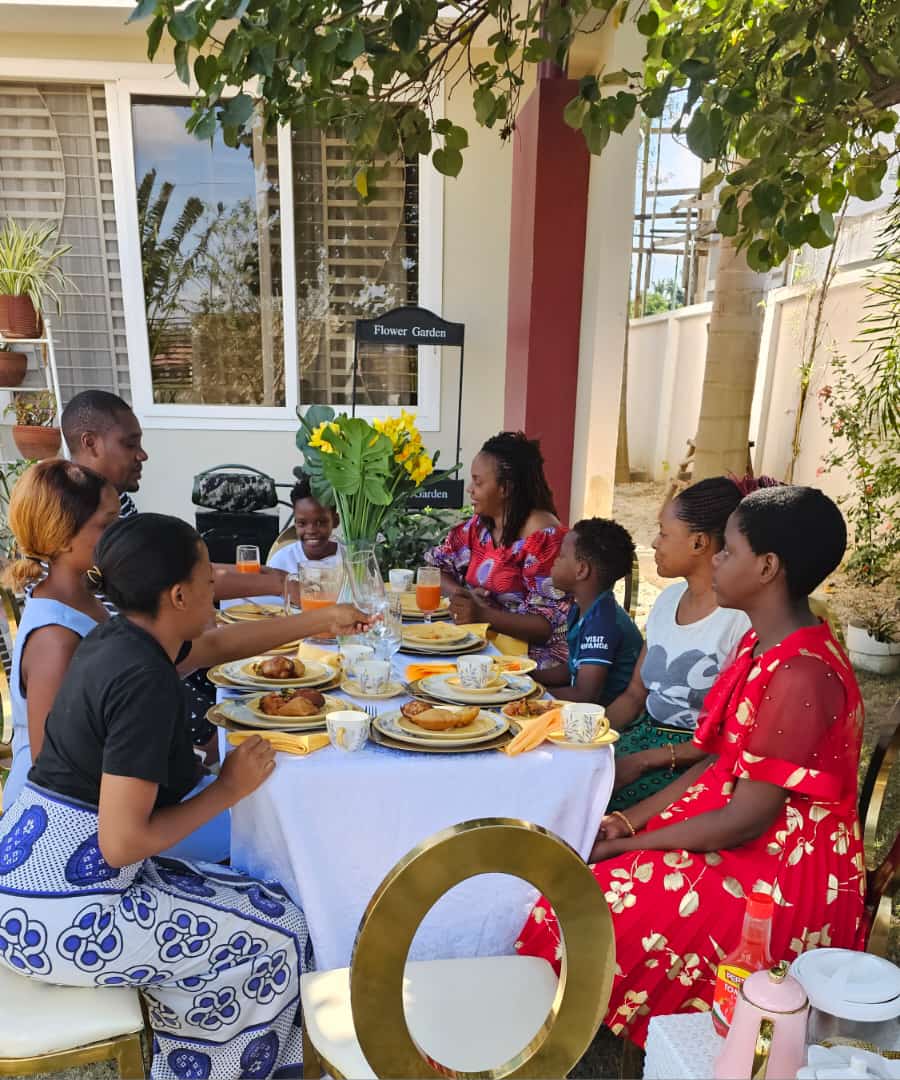
Every encounter with another person in this world reveals how language both distinguishes and unites us, allowing communities to live in cooperation. Wherever music is played, people gather, drawn together by shared joy. When knowledge is shaped into books, when art and films are created—they are built from words, gestures, and truths that resonate across cultures. All these are works of art that bind people together, helping societies live in peace and stability. Art is a light that shines for all, allowing everyone to see and rejoice in its glow.
At its heart, art offers comfort to everyone. It enriches language, refines expression, nurtures culture, and encourages a society to thrive in harmony. Art is like the sun—it illuminates us collectively, helping each person see more clearly. When art shines, it lights up the mind, offering clarity and insight.
The knowledge carried by art is vast and influential, a powerful force in the world. It is a cherished discipline, loved by scholars, scientists, leaders, writers, and philosophers everywhere. Art is the essential thread that connects people through politics, philosophy, science, and literature. Its influence is profound because it carries a light that brings joy to all beings. Even in sadness, art can bring solace, pouring comfort into the heart and offering peace amid life’s difficulties.
Art’s power is immense, which is why we must be mindful of what it carries. Art reflects both the good and the bad in society, and it spreads these influences far and wide. To build a better world, we must choose and create with care—so that art continues to unite, heal, and illuminate for everyone.
Why art is essential for development?
Art is a form of expression that encourages individuals to think beyond their limitations. It fosters creativity and innovation, which are essential skills in various industries, including technology, science, and design. Art helps us think outside the box and view the world from different perspectives, leading to new and groundbreaking discoveries.
Art depicts the history and culture of a particular region. It is a way to preserve traditions, stories, and values, and pass them down to future generations. Art offers a sense of continuity and connection to one's roots, which is crucial in maintaining cultural identity and pride.
Art has the power to spark conversations and raise awareness on social issues. From street art and murals to protest songs and theater performances, artists have played a significant role in initiating social change. Through their work, they address social injustices and call for action, promoting unity and change in society.
Boosts the Economy: A flourishing art community can be a significant source of economic growth for a country. Art attracts tourists, creates jobs, and contributes to other industries, such as advertising and marketing. A thriving art community provides opportunities for artists to showcase their work, collaborate with others, and make a living doing what they love.
Enhances Mental and Emotional Well-being: Art has therapeutic effects on the human mind and can be used as a form of healing. Creating and viewing art has been shown to reduce stress, anxiety, and depression and improve overall mental health. Additionally, art can be used as a tool for self-expression, helping individuals to process their emotions and communicate their feelings to others.
Art is vital for society and culture. It stimulates creative thinking, preserves traditions, initiates social change, contributes to the economy, and enhances mental and emotional well-being. However, many artists struggle to make a living, and their contributions often go unrecognized.